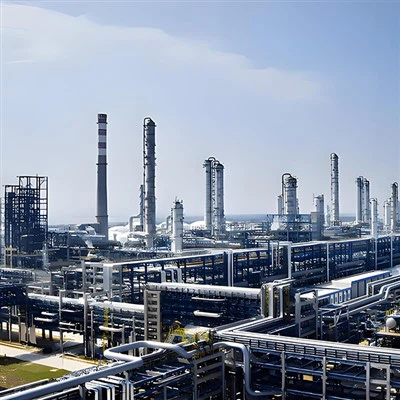
If you work in refining, you already know that fired heaters are one of the most critical - and most misunderstood - pieces of equipment in the plant. They drive heat transfer, shape process performance, and create serious safety and efficiency challenges when they're not designed or operated properly. In this guide, you're going to learn what a fired heater in a refinery is, how it works, where it's used, and why API-560, burner management, and tube protection matter so much. Let's dive in.
Introduction to Fired Heaters in Refinery Operations
Fired heaters are essential components in refinery operations, providing the necessary thermal energy for critical processes such as crude distillation, reforming, and coking. These petrochemical heating furnaces ensure efficient heat transfer, enabling refineries to optimize product quality and throughput.
However, refinery operators often face challenges like inconsistent heating, high fuel consumption, and safety risks. Tube fouling, flame impingement, and draft imbalances can lead to costly downtime and maintenance issues.
Partnering with a manufacturer that offers high-efficiency, custom-designed fired heaters can address these common problems. By tailoring solutions to specific refinery needs, these heaters deliver reliable, energy-efficient performance, reducing operational costs and enhancing safety. This approach ensures your refinery maintains optimal thermal management, meeting industry standards and environmental regulations seamlessly.

Fired Heater in Refinery
A fired heater in refinery service is a high-temperature process heater we use to deliver controlled heat to refinery equipment and process streams. In plain terms, it keeps thermal operations stable, supports efficient fuel use, and helps the plant run with fewer interruptions.
Core Function
-
- Steady heat supply: Maintains the process temperature needed for refinery heating duties.
- Energy control: Helps manage fuel use through efficient thermal transfer.
- Operational stability: Supports continuous, reliable processing in demanding refinery conditions.
Main Uses
-
- Crude heating: Used where controlled heating is needed before downstream processing.
- Thermal process support: Serves refinery units that depend on consistent high heat input.
- Energy management: Helps keep heat where it belongs, instead of losing it through poor design or weak insulation.
Why It Matters
Refinery fired heaters are critical because they do more than heat material. They affect thermal efficiency, safety, and operating cost. When the heater is designed well, the plant gets better heat control, lower fuel consumption, and more reliable long-term operation.
Structural Components of a Fired Heater in Refinery
A Fired Heater in Refinery works best when each section is built for stable heat transfer, safe control, and long service life. We focus on the parts that affect performance most: the radiant section firebox, the convection section tubes, the draft systems, and the refractory lining.
Radiant Section Firebox
-
- The firebox is where the main heat is generated.
- Radiant coils absorb intense heat directly, so tube layout and spacing matter.
- Good firebox design supports even heating, stable flame shape, and lower stress on the heater.
- In a refinery fired heater, this section has the biggest impact on thermal performance.
Convection Section Tubes
-
- The convection section tubes recover heat from flue gas before it leaves the heater.
- This improves fuel use and supports waste heat recovery systems.
- A well-arranged tube bank helps the heater capture more usable energy without adding unnecessary load.
- This is one of the simplest ways to lift overall efficiency in refinery fired heaters and crude heaters.
Draft Systems
-
- Draft systems control how air and flue gas move through the heater.
- We work with natural, forced, and balanced draft setups depending on project needs.
- Proper draft control helps keep combustion stable and reduces the risk of uneven heating.
- It also supports safer operation under changing refinery loads.
Refractory Lining and Insulation
-
- Refractory lining protects the heater structure from high temperature exposure.
- Strong insulation improves heat retention and cuts heat loss.
- Better lining and insulation help the unit run longer with less energy waste.
- This is a key part of building a dependable petrochemical heating furnace for continuous operation.
Built for Real-World Use
-
- We design these sections to work together, not as isolated parts.
- That is why we also integrate equipment such as floating head heat exchangers and process reboiler heaters when the project calls for it.
- The result is a heater that is practical, efficient, and ready for refinery service.
Design Standards and Safety Control for Fired Heater in Refinery
Built for refinery duty
I build each Fired Heater in Refinery service around strict petrochemical standards, with a focus on safe operation, stable performance, and long service life. That means:
-
- High-temperature materials selected for demanding service and corrosion resistance
- Certified welding to support structural strength and reliability
- Robust safety control built into the manufacturing process
- Quality systems aligned with ISO 9001:2015, ISO 14001:2015, and OHSAS 18001:2007
Practical safety focus
For refinery users, the real issue is uptime without cutting corners. I keep the design approach simple and disciplined:
-
- Strong structural design for continuous operation
- Clear quality checks during fabrication
- Equipment built to support low-maintenance, long-term use
- Standards-based production for consistent project delivery
What this gives operators
A well-built refinery fired heater is easier to trust in daily service. The result is safer operation, better reliability, and less worry during long runs in petrochemical plant conditions.
Maximizing Thermal Efficiency in Fired Heaters
Achieving high thermal efficiency in refinery fired heaters is essential for reducing operating costs and minimizing environmental impact. One key approach is waste heat recovery systems, such as air preheaters and economizers, which capture excess heat from flue gases to preheat combustion air or feedwater. This process significantly lowers fuel consumption and boosts overall heater performance.
Optimizing burner operation is equally important. Carefully controlling the air-to-fuel ratio ensures complete combustion, reducing fuel waste and emissions. Implementing low NOx burners helps meet strict environmental standards while maintaining efficient heat transfer and stable flame conditions.
Reducing heat losses through radiation and convection is another critical strategy. Proper insulation, reflective coatings, and heat shields minimize energy leakage. Additionally, regularly monitoring and adjusting operating parameters prevent unnecessary heat dissipation, ensuring your fired heater runs at peak efficiency.
By focusing on these practical measures, refinery operators can maximize the thermal efficiency of fired heaters, improving energy savings and ensuring reliable, compliant operation.
Advanced Fabrication and Custom Engineering Solutions for Fired Heaters in Refinery
At Chunlei, we specialize in designing custom-fired heaters that precisely match each refinery's unique needs. We understand that no two refineries are the same, so our engineering team works closely with clients to develop tailored solutions that optimize performance and reliability.
Our process includes integrating auxiliary systems such as heat exchangers, scrubbers, and reboilers. These components work together seamlessly to enhance thermal efficiency, reduce emissions, and improve overall plant operation.
With over 20 years of experience, Chunlei's expertise in project-specific manufacturing ensures each refinery fired heater meets strict quality standards and safety requirements. We follow rigorous quality assurance protocols, adhering to international standards like API-560 and ASME.
Our global EPC partnerships and logistics network give us a significant advantage in delivering high-quality petrochemical heating furnaces worldwide. We handle everything from engineering design to on-site installation, ensuring smooth project execution and minimal downtime. Partner with Chunlei for reliable, customized solutions in fired heater fabrication that keep your refinery running efficiently.
Troubleshooting Common Fired Heater Issues
Identifying and resolving issues in refinery fired heaters is crucial for maintaining safety and efficiency. Here are the most common problems and how to address them:
-
-
-
Tube Fouling and Flame Impingement:
Fouling occurs when deposits build up inside the tubes, reducing heat transfer. Flame impingement happens if the flame strikes the tube surfaces directly, causing damage. Regular inspection and soot blowing help prevent these issues, ensuring optimal heat transfer and avoiding costly repairs. -
-
Draft Imbalance:
An uneven draft can lead to poor combustion, fluctuating flame stability, and inefficient operation. Monitoring draft systems-whether natural, forced, or balanced-allows for timely adjustments, maintaining stable flame conditions and consistent heating performance. -
-
Tube Metal Temperature (TMT) Overshoot:
Excessive TMT can cause tube deformation, cracking, or failure. Continuous TMT monitoring and adjusting burner operation prevent overheating, extending heater life and reducing downtime. -
-
Corrosion Risks:
Corrosion weakens the tube structure, risking leaks or catastrophic failure. Using corrosion-resistant materials and maintaining proper insulation and refractory lining are key to protecting the heater's integrity. -
-
Preventive Maintenance:
Routine practices such as coil cleaning, decoking, and soot blowing are essential. These steps keep heat transfer surfaces clean, improve efficiency, and prevent unexpected shutdowns. -
-
Safety Measures:
During abnormal operations, immediate actions include emergency shutdowns and system checks. Proper safety protocols and burner management systems (BMS) help operators respond quickly, minimizing risks and ensuring safe refinery operations.
-
Regular troubleshooting and maintenance are vital to keep refinery fired heaters running reliably, efficiently, and safely.
Innovations in Fired Heater in Refinery
We are seeing Fired Heater in Refinery systems move toward smarter control, cleaner combustion, and better energy use. For refinery operators, the main goal stays the same: stable heat, lower fuel waste, and safer day-to-day running.
Smarter Operation
-
- Digital monitoring helps track flame behavior, draft balance, and temperature changes in real time.
- Automation supports more stable operation and faster response when conditions shift.
- Burner Management Systems (BMS) improve startup, shutdown, and safety control.
Lower Emissions
-
- Low-emission burner options are becoming more important for refinery and petrochemical sites.
- Better air-to-fuel control supports cleaner combustion and less wasted fuel.
- Stronger heat retention and insulation help reduce avoidable heat loss.
Energy Recovery
| Trend | Practical Benefit |
|---|---|
| Waste Heat Recovery Systems | Reuses flue-gas heat more effectively |
| Better control logic | Improves stability and fuel efficiency |
| Stronger insulation design | Cuts radiation and convection losses |
Future Direction
The future of Refinery Fired Heaters is clear: more efficient, more connected, and easier to manage. In my view, the best designs will combine reliable furnace performance with better monitoring, safer controls, and lower operating cost.
For global refinery projects, that means a Petrochemical Heating Furnace must do more than heat process streams. It has to support long-term efficiency, cleaner operation, and dependable performance across different site conditions.
Fired Heater in Refinery: Final Take
-
- A fired heater in refinery service has to deliver three things at once: efficiency, safety, and fit-for-purpose design.
- I focus on custom refinery fired heaters and crude heaters that support stable heating, lower fuel consumption, and long-term continuous operation.
- For global refinery and EPC projects, partnering with an experienced manufacturer matters because the heater must match the process, the site conditions, and the surrounding equipment.
- Our work is built around project-specific manufacturing, engineering customization, and quality control aligned with ISO 9001:2015, ISO 14001:2015, and OHSAS 18001:2007.

Project Support
-
- We also support related process equipment, including heat exchangers, process reboiler heaters, and scrubber towers, so the full system works as one unit.
- Based in Zibo, China's petrochemical hub, we serve international projects with a practical, B2B approach.
- For project consultation and custom solutions, contact wang@cl-mechanical.com or +8615169255266.