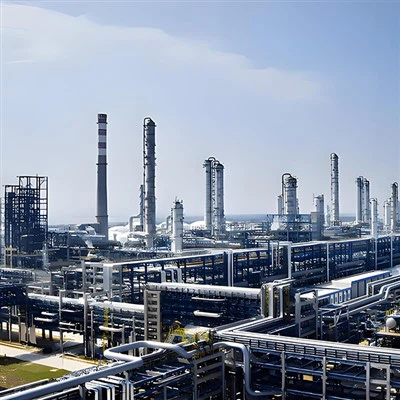
In refinery and petrochemical operations, temperature control is at the heart of nearly every major process unit. Before crude oil enters a distillation column, before hydrocarbons undergo catalytic conversion, and before feedstocks move into downstream chemical reactions, they must first reach the required process temperature.
This is where the fired heater in refinery systems becomes essential.
A refinery fired heater provides the thermal energy required to heat process fluids to precise operating temperatures. Unlike simple industrial furnaces, these systems must operate continuously under demanding conditions-handling high temperatures, corrosive hydrocarbons, and strict safety requirements.
For plant owners, EPC contractors, and engineering teams, selecting the right process fired heater for petrochemical plants is a critical decision. The heater's design affects fuel efficiency, operational safety, and long-term maintenance costs.
This guide explains how refinery fired heaters work, how engineers approach heater design, and what factors should be considered when selecting a reliable supplier for large-scale projects.
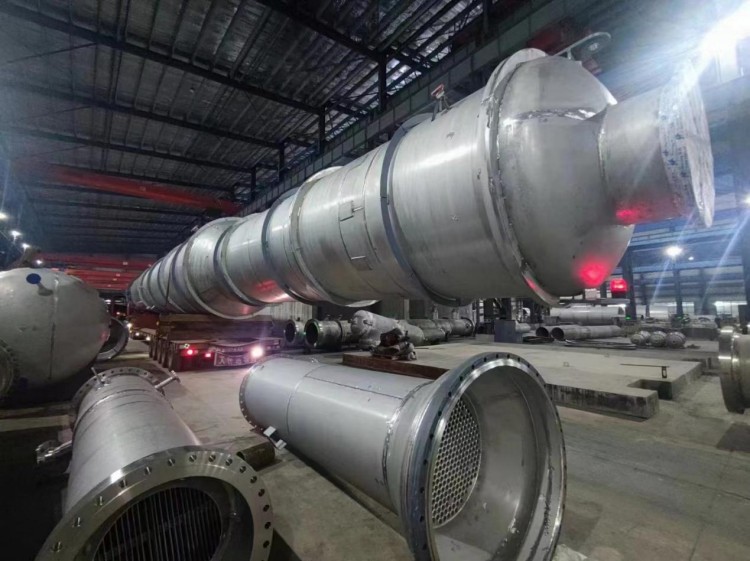

What Is a Fired Heater in a Refinery?
A refinery fired heater is a thermal process unit that heats hydrocarbons or other process fluids through direct combustion. Fuel gas or fuel oil is burned inside the heater to generate high-temperature flue gas, which transfers heat to process tubes carrying the fluid.
Unlike boilers that produce steam, process fired heaters are designed specifically for heating process streams within refinery and petrochemical units.
These heaters are commonly used in
crude distillation units
vacuum distillation units
delayed coking units
hydroprocessing units
petrochemical cracking processes
Because these units operate continuously and at high thermal loads, the design of a petrochemical fired heater must balance heat transfer efficiency, structural reliability, and operational safety.
The Role of Fired Heaters in Refinery Process Units
In a typical refinery, fired heaters are integrated into several key production stages.
Crude Oil Preheating
Before crude oil enters the atmospheric distillation column, it must be heated to a temperature that allows separation of different hydrocarbon fractions.
A crude heater in refinery operations raises the temperature of the crude feed to the required level, ensuring stable distillation performance.
Thermal Support for Reaction Units
Many downstream processes require precise temperature control to maintain reaction efficiency. Fired heaters provide the necessary thermal energy for these reactions.
Feed Preparation for Conversion Units
Processes such as catalytic reforming or hydrocracking rely on preheated feedstock to operate efficiently. The fired heater ensures that the feed enters the reactor at the correct temperature.
Key Components of a Refinery Fired Heater
A typical industrial fired heater system consists of several major components that work together to achieve efficient heat transfer.
Radiant Section
The radiant section is where the majority of heat transfer occurs. Process tubes are exposed to high-temperature radiation from the flame and hot combustion gases.
This section must be carefully designed to prevent overheating of the tubes while maximizing heat absorption.
Convection Section
After leaving the radiant section, flue gas still contains significant thermal energy. The convection section captures this remaining heat and transfers it to process fluids or air preheaters.
By utilizing this energy, the overall efficiency of the refinery heater system improves significantly.
Burners
Burners control the combustion process and determine flame stability, fuel efficiency, and emission levels.
Modern fired heaters often use low-NOx burners to meet environmental regulations.
Stack and Flue Gas System
The stack allows combustion gases to exit the heater safely while maintaining proper draft conditions within the system.
Proper flue gas management ensures safe and stable heater operation.


Key Factors in Fired Heater Design
Designing a reliable petrochemical fired heater requires careful engineering evaluation. Several factors must be considered during the design stage.
Process Temperature Requirements
Different refinery units require different heating levels. Engineers must determine the target outlet temperature of the process fluid and calculate the required heat duty.
Accurate thermal calculations help prevent overheating or inefficient operation.
Fuel Type and Combustion Efficiency
The choice of fuel affects heater design and performance.
Common fuels used in refinery fired heaters include
refinery fuel gas
natural gas
heavy fuel oil
Efficient burner design improves fuel utilization and reduces emissions.
Tube Material Selection
Process tubes operate in high temperature environments and may be exposed to corrosive hydrocarbons.
Common materials used in fired heater tubes include
chromium-molybdenum steel
stainless steel alloys
high temperature nickel alloys
Proper material selection extends equipment lifespan and reduces maintenance risks.
Operational Challenges in Refinery Fired Heaters
Even well-designed heaters face operational challenges during long-term refinery operation.
Tube Overheating
If heat flux is uneven or process flow is insufficient, tubes may overheat and fail prematurely.
Coke Formation
Certain hydrocarbon streams may form coke deposits on tube surfaces, reducing heat transfer efficiency.
Burner Instability
Improper burner adjustment can lead to flame instability or incomplete combustion.
These issues highlight the importance of proper design, installation, and maintenance of the industrial fired heater system.
EPC Solutions for Fired Heater Projects
Large refinery projects often require more than just equipment supply. Many plant owners prefer suppliers capable of supporting refinery heater EPC projects.
EPC capability provides advantages throughout the project lifecycle.
Engineering Integration
Process calculations, mechanical design, and thermal performance can be coordinated during the early engineering phase.
Fabrication and Quality Control
Integrated manufacturing ensures strict quality standards during production.
Installation and Commissioning
Experienced suppliers can support heater installation, startup, and performance testing.
Long-Term Technical Support
Maintenance planning and operational optimization are easier when the supplier understands the original design.
Future Trends in Fired Heater Technology
As refineries pursue higher efficiency and lower emissions, fired heater technology continues to evolve.
High Efficiency Combustion Systems
Modern burner designs improve fuel efficiency while reducing NOx emissions.
Advanced Process Monitoring
Digital monitoring systems help operators track heater performance in real time.
Improved Refractory Materials
New refractory technologies provide better insulation and longer service life.
Integrated Energy Optimization
Many modern plants integrate fired heaters into broader energy management systems to improve overall plant efficiency.
Choosing the Right Fired Heater Manufacturer
Selecting the right industrial fired heater manufacturer can significantly influence project success.
A reliable supplier should offer
strong engineering design capability
experience with refinery process units
strict manufacturing quality standards
the ability to customize heaters for specific process conditions
For complex refinery and petrochemical projects, working with a supplier that understands both equipment manufacturing and EPC project integration can reduce risks and improve long-term operational performance.


Conclusion
In refinery and petrochemical facilities, fired heaters serve as the primary source of thermal energy for many critical process units. Their performance directly affects production efficiency, energy consumption, and operational safety.
A well-engineered fired heater in refinery applications is not simply a combustion device-it is an integral part of the plant's thermal system.
By combining proper design, high-quality manufacturing, and integrated EPC support, refinery operators can ensure reliable heater performance for decades of operation.
For companies planning refinery upgrades or new petrochemical installations, partnering with an experienced fired heater manufacturer can make a significant difference in efficiency, safety, and long-term project value.