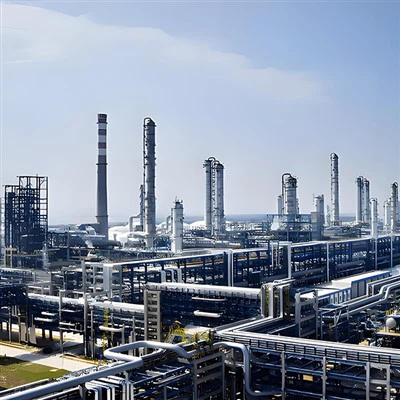
Why Petrochemical Furnaces Are the Heart of Modern Refining
In the global refining and petrochemical industry, thermal processing plays a critical role in transforming crude hydrocarbons into high-value products. From crude oil distillation to ethylene cracking, nearly every major refining step relies on one essential piece of equipment - the petrochemical furnace.
Also known as process furnaces, refinery furnaces, or fired heaters, these high-temperature systems provide the controlled heat required for chemical reactions, feedstock preparation, and product separation.
For refinery operators and EPC contractors, selecting the right petrochemical heating furnace directly impacts plant efficiency, operating cost, safety, and long-term reliability. A poorly designed furnace can lead to excessive fuel consumption, uneven heat distribution, or frequent maintenance shutdowns - all of which reduce profitability.
This guide explains how petrochemical furnaces work, their main types, design considerations, efficiency optimization strategies, and how to select the right furnace supplier for industrial projects.


What Is a Petrochemical Furnace?
A petrochemical furnace is an industrial heating system designed to transfer heat to process fluids through combustion of fuel gases or liquids. These furnaces are widely used in refineries and petrochemical plants to heat hydrocarbons before they enter reactors, distillation columns, or cracking units.
Unlike standard industrial ovens, petrochemical fired heaters operate under extreme conditions, often exceeding temperatures of 800–1200°C while maintaining precise thermal control.
Typical furnace components include:
Radiant section
Convection section
Burners
Process coils
Refractory lining
Stack and flue gas system
These components work together to ensure efficient heat transfer and stable process performance.
Key Functions of Petrochemical Furnaces
Petrochemical furnaces serve several critical functions in refining operations.
Feedstock Heating
Before entering reactors or separation units, hydrocarbon feedstocks must reach specific temperatures. Furnaces provide controlled heating to ensure optimal reaction conditions.
Example applications include:
crude oil preheating
vacuum distillation feed heating
catalytic reforming feed preparation
Thermal Cracking
In petrochemical production, high-temperature furnaces are used to break large hydrocarbon molecules into smaller ones.
This process is essential for producing:
ethylene
propylene
butadiene
These materials form the foundation of modern plastics and synthetic materials.
Reaction Temperature Control
Many refining reactions require stable thermal environments. Process furnaces maintain consistent heat levels to ensure product quality and reaction efficiency.
Types of Petrochemical Furnaces
Different refining processes require specialized furnace designs. Below are the most common furnace configurations used in petrochemical plants.
Box-Type Furnaces
Box-type furnaces feature a rectangular chamber with burners installed on the floor or walls.
Advantages include:
uniform heat distribution
easy maintenance access
large heating capacity
They are commonly used for crude oil heaters and refinery process heating applications.
Cylindrical Furnaces
Cylindrical furnaces are vertical structures designed to maximize radiant heat transfer.
Key benefits:
compact footprint
efficient heat utilization
reduced heat loss
These furnaces are often used in hydrogen reforming and petrochemical reaction heating.
Vertical Process Furnaces
Vertical furnaces are widely used in petrochemical plants where space efficiency and high thermal performance are required.
Features include:
vertically arranged coils
strong natural draft airflow
high radiant heat efficiency
Steam Cracking Furnaces
Steam cracking furnaces operate at extremely high temperatures to produce light olefins such as ethylene.
They are among the most technologically advanced petrochemical furnace systems due to strict temperature control requirements.
Core Components of a Petrochemical Furnace
Understanding the main furnace components helps engineers evaluate furnace performance and reliability.
Radiant Section
The radiant section is where the majority of heat transfer occurs.
Process coils located in this area absorb radiant heat from the burners, raising the temperature of process fluids.
Convection Section
Hot flue gases leaving the radiant section still contain significant thermal energy.
The convection section captures this heat to preheat feedstock or combustion air, improving overall furnace thermal efficiency.
Industrial Burners
Burners are responsible for fuel combustion.
Modern low-NOx burners are widely used to reduce emissions while maintaining stable flame control.
Process Coils
Process coils carry hydrocarbons through the furnace and must withstand:
extreme temperatures
high pressure
corrosive environments
Advanced alloy materials are commonly used to ensure durability.
Improving Petrochemical Furnace Efficiency
Energy consumption is one of the largest operating costs in petrochemical plants. Optimizing furnace efficiency can significantly reduce fuel usage and emissions.
Heat Recovery Systems
Heat recovery technologies capture waste heat from exhaust gases.
Common solutions include:
air preheaters
feedstock preheaters
waste heat boilers
These systems improve overall furnace energy utilization.
Advanced Combustion Control
Modern furnace control systems monitor:
oxygen levels
fuel-air ratios
flame stability
Optimized combustion ensures maximum fuel efficiency and reduced emissions.
Improved Refractory Materials
High-performance refractory linings reduce heat loss and extend furnace service life.
New ceramic materials can significantly enhance insulation performance.
Safety Considerations in Petrochemical Furnace Operation
Due to high temperatures and combustible fuels, safety is a critical aspect of furnace design and operation.
Important safety features include:
flame monitoring systems
automatic shutdown mechanisms
explosion protection systems
temperature and pressure sensors
Strict safety protocols ensure reliable furnace operation in large-scale refining environments.
How to Choose the Right Petrochemical Furnace Supplier
For refinery projects and EPC contractors, choosing the right petrochemical furnace manufacturer is essential for long-term plant performance.
Key evaluation factors include:
Engineering Capability
A qualified supplier should provide:
thermal design expertise
process simulation support
customized furnace design solutions
Manufacturing Quality
Reliable furnace manufacturers follow strict fabrication standards and quality inspections.
Important aspects include:
precision coil fabrication
refractory installation quality
burner integration accuracy
Industry Experience
Suppliers with extensive petrochemical project experience understand:
refinery operating conditions
industry standards
long-term equipment reliability requirements
After-Sales Support
Comprehensive service capabilities are crucial, including:
installation guidance
commissioning support
maintenance consultation
Future Trends in Petrochemical Furnace Technology
The petrochemical industry is undergoing rapid technological transformation.
Several emerging trends are reshaping furnace design.
Ultra-Low Emission Burners
Environmental regulations are driving the adoption of advanced combustion technologies that reduce NOx and CO emissions.
Digital Furnace Monitoring
Smart sensors and predictive maintenance systems allow operators to detect issues before they cause shutdowns.
Electrified Heating Technologies
Some next-generation petrochemical plants are exploring electric heating systems to reduce carbon emissions.
Although still developing, electrified furnaces could become a key part of low-carbon refining.


Conclusion: Why Petrochemical Furnaces Remain Critical to Industrial Energy Systems
Petrochemical furnaces are far more than simple heating devices. They are central to the efficiency, productivity, and safety of modern refining and chemical processing plants.
From feedstock heating to high-temperature cracking reactions, these complex thermal systems enable the production of essential materials used in fuels, plastics, pharmaceuticals, and countless industrial products.
As the petrochemical industry continues to evolve, companies that invest in high-efficiency furnace design, advanced combustion technology, and reliable manufacturing partners will gain a clear competitive advantage.
For refinery operators and EPC contractors, selecting the right petrochemical furnace solution is not just a technical decision - it is a strategic investment in long-term operational success.