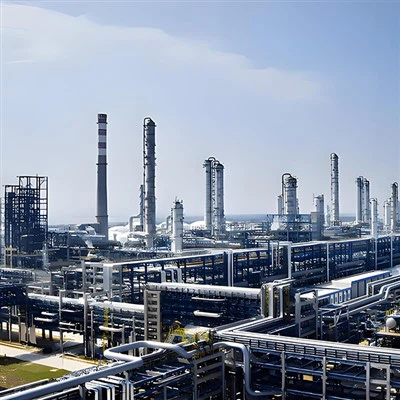
In petrochemical and refining operations, heat recovery and thermal management directly determine plant efficiency, operating cost, and environmental performance. A well-designed commercial heat exchanger does far more than simply transfer heat-it improves energy utilization, stabilizes process temperatures, and protects critical equipment across the entire production chain.
For refinery operators, EPC contractors, and engineering procurement teams, choosing the right industrial heat exchanger is not only a technical decision but also a strategic investment. The wrong design can lead to fouling, excessive pressure drop, shutdown risks, and high lifecycle costs.
This guide explores how commercial heat exchangers for petrochemical plants work, how to select the right system, and why integrated manufacturing and EPC capability can significantly reduce project risks.
What Is a Commercial Heat Exchanger?
A commercial heat exchanger is an engineered thermal transfer system designed for industrial applications where large volumes of fluids exchange heat without mixing.
In petrochemical plants and refineries, these systems are used to:
Recover waste heat from process streams
Preheat feedstock before reaction or distillation
Condense vapor streams
Control temperature during chemical reactions
Improve energy efficiency of the entire plant
Compared with standard industrial units, petrochemical heat exchangers must withstand:
High temperature environments
Corrosive chemical media
High pressure conditions
Continuous operation cycles
Because of these requirements, most refinery heat exchanger systems are custom engineered rather than off-the-shelf equipment.

Why Heat Exchangers Are Critical in Petrochemical Plants
In modern refineries, heat exchangers are at the center of process integration and energy recovery.
1. Energy Efficiency Improvement
Heat recovery networks can reuse thermal energy from hot process streams to preheat incoming materials. This significantly reduces fuel consumption in furnaces and boilers.
For large refineries, optimized industrial heat exchanger systems can reduce energy usage by 10–30%.
2. Process Stability
Temperature fluctuations can directly affect reaction rates and product quality. A well-designed petrochemical heat exchanger ensures stable thermal control across reactors, distillation columns, and separation units.
3. Equipment Protection
Heat exchangers reduce thermal stress on downstream equipment such as compressors, pumps, and storage systems, extending equipment service life.
4. Environmental Compliance
Efficient thermal systems reduce carbon emissions and energy waste, helping refineries meet stricter environmental regulations worldwide.
Common Types of Heat Exchangers Used in Refineries
Different petrochemical processes require different heat exchanger structures. Selecting the right configuration is essential for long-term reliability.
Shell and Tube Heat Exchanger
The shell and tube heat exchanger for refinery applications remains the most widely used design in the petrochemical industry.
Key advantages include:
High pressure resistance
Strong adaptability to corrosive media
Easy maintenance and cleaning
Reliable long-term operation
This design is commonly used in:
crude oil preheating systems
distillation units
catalytic cracking units
hydroprocessing plants
Plate Heat Exchanger
Plate heat exchangers offer high thermal efficiency and compact design, making them suitable for lower pressure or auxiliary systems.
Typical applications include:
cooling systems
utility heat recovery
water treatment processes
However, plate exchangers are usually not the first choice for high-pressure refinery streams.
Air Cooled Heat Exchanger
Air cooled heat exchangers eliminate the need for cooling water by using ambient air as the cooling medium.
These systems are often used in:
remote petrochemical plants
desert refinery projects
offshore processing facilities


Key Factors When Selecting a Commercial Heat Exchanger
For EPC contractors and refinery operators, selecting the right commercial heat exchanger system requires evaluating several technical and operational factors.
Process Conditions
Critical design parameters include:
operating temperature range
system pressure
fluid properties
fouling tendency
corrosion characteristics
Incorrect assumptions during this stage often lead to premature equipment failure.
Material Selection
Petrochemical environments may contain sulfur compounds, acids, chlorides, or high-temperature hydrocarbons.
Common materials used in industrial heat exchangers for petrochemical plants include
stainless steel
duplex stainless steel
titanium alloys
nickel-based alloys
Choosing the right material significantly improves corrosion resistance and operational lifetime.
Maintenance Accessibility
A good heat exchanger design should consider future inspection and maintenance.
Features such as removable tube bundles, accessible cleaning ports, and anti-fouling design can reduce downtime and maintenance cost.
Why EPC Capability Matters in Heat Exchanger Projects
Many refinery and petrochemical projects prefer suppliers that can support EPC heat exchanger projects rather than just delivering equipment.
EPC capability provides several advantages:
Integrated Engineering
Process simulation, thermal calculation, and structural design can be optimized together to ensure the heat exchanger matches the entire plant system.
Reduced Project Risk
When the same supplier handles design, manufacturing, and integration, communication errors between multiple contractors are minimized.
Faster Project Delivery
EPC suppliers streamline engineering, procurement, and construction phases, significantly reducing project timelines.
Lifecycle Support
Integrated suppliers can provide:
commissioning support
performance optimization
spare parts and maintenance services
Future Trends in Industrial Heat Exchanger Technology
As energy efficiency and sustainability become top priorities in the petrochemical industry, heat exchanger technology continues to evolve.
Key trends include
Advanced Thermal Simulation
Modern engineering software enables precise simulation of fluid flow, heat transfer, and fouling behavior before equipment is manufactured.
High Efficiency Heat Recovery Networks
Refineries increasingly design integrated heat exchanger networks to maximize energy recovery across multiple units.
Corrosion-Resistant Materials
New alloys and surface coatings are extending the lifespan of petrochemical heat exchangers operating in aggressive chemical environments.
Modular Heat Exchanger Systems
Prefabricated modules allow faster installation and easier expansion for large refinery projects.
How the Right Heat Exchanger Partner Reduces Project Risk
In large petrochemical facilities, heat exchangers are not isolated components-they are critical parts of the entire process system.
Working with an experienced manufacturer that understands industrial heat exchanger engineering and EPC project execution ensures:
accurate thermal design
reliable material selection
strict manufacturing quality control
smooth integration into refinery systems
The right partner not only supplies equipment but also provides complete thermal solutions for petrochemical plants.


Conclusion
In today's competitive energy market, improving efficiency and reducing operational risk are top priorities for refineries and petrochemical plants. A properly engineered commercial heat exchanger system plays a key role in achieving both goals.
From crude oil preheating to complex heat recovery networks, modern industrial heat exchangers enable plants to maximize energy utilization while maintaining process stability.
For engineering teams and EPC contractors, selecting the right heat exchanger partner means more than purchasing equipment-it means securing long-term performance, reliability, and project success.
If you are planning a refinery or petrochemical project, working with a manufacturer capable of delivering customized heat exchangers and EPC solutions can significantly improve project efficiency and lifecycle value.