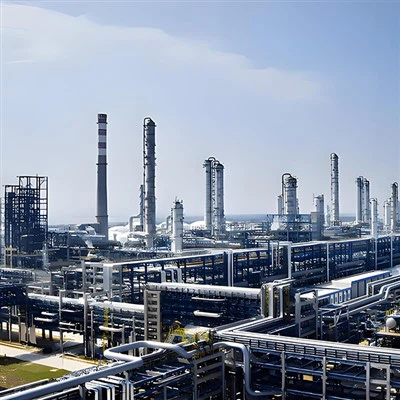
In petrochemical plants, thermal processing equipment plays a critical role in ensuring stable production and efficient chemical reactions. Among these systems, the petrochemical furnace is one of the most important units because it provides the high-temperature heat required for cracking, reforming, and other hydrocarbon processing operations.
For refinery operators and engineering contractors, selecting the right petrochemical furnace is not simply about purchasing equipment. The design must match the process requirements, operating temperature, fuel type, and plant capacity. In many projects today, companies prefer suppliers that can provide both furnace manufacturing and EPC services, allowing the entire system to be engineered and delivered as a complete solution.

The Role of Petrochemical Furnaces in Refining and Chemical Production
A petrochemical furnace is essentially a process heating system designed to transfer thermal energy to hydrocarbon feedstocks under controlled conditions. Unlike conventional industrial heaters, these furnaces must operate continuously at extremely high temperatures while maintaining precise heat distribution.
In ethylene plants, cracking furnaces are used to break down hydrocarbons such as ethane or naphtha at temperatures approaching 850–900°C. The stability of the furnace temperature directly affects product yield and energy efficiency.
Hydrogen production units also rely heavily on high-temperature furnaces. During steam methane reforming, a fired heater for petrochemical plants provides the energy required for the reforming reaction, making furnace efficiency a major factor in hydrogen output.
Refineries use process furnaces to heat crude oil and intermediate products before distillation or further chemical treatment. Because these systems operate continuously, reliability and maintenance accessibility are essential considerations during furnace design.
Key Factors in Petrochemical Furnace Design
Designing a petrochemical furnace requires balancing several engineering factors including thermal efficiency, material durability, combustion stability, and safety.
One of the most important aspects is heat transfer efficiency. Advanced furnace designs use optimized burner arrangements and radiant coil configurations to ensure uniform heat distribution. Improved thermal efficiency not only reduces fuel consumption but also lowers operating costs for the plant.
Material selection is another critical factor. Furnace tubes and structural components must withstand high temperatures, thermal cycling, and potential corrosion from process gases. High-temperature alloys and refractory materials are commonly used to ensure long service life.
Combustion control systems also play a significant role. Modern petrochemical furnaces are equipped with automated monitoring systems that regulate fuel and air ratios, allowing operators to maintain stable combustion while minimizing emissions.


Advantages of Petrochemical Furnace EPC Projects
Large petrochemical facilities often involve complex integration between multiple processing units. For this reason, many plant owners prefer working with a contractor that can deliver petrochemical furnace EPC projects.
Under an EPC model, the supplier takes responsibility for engineering design, equipment manufacturing, procurement, installation, and commissioning. This approach provides several advantages for project owners.
First, the furnace design can be optimized together with the plant's overall process configuration. Second, coordination between equipment supply and construction becomes much more efficient, reducing project delays. Finally, EPC delivery simplifies communication because the plant owner works with a single responsible contractor.
For companies planning large-scale petrochemical facilities, EPC capability has become an important factor when selecting a petrochemical furnace manufacturer.
How Manufacturers Improve Furnace Efficiency
Energy efficiency has become a major focus in the petrochemical industry. Modern furnace manufacturers are continuously improving equipment design to reduce fuel consumption and environmental impact.
One widely adopted approach is the integration of waste heat recovery systems. By capturing heat from flue gases, plants can preheat combustion air or process feedstock, significantly improving overall thermal efficiency.
Low-NOx burner technology is another important development. These burners reduce nitrogen oxide emissions while maintaining stable combustion performance, helping plants meet increasingly strict environmental regulations.
Digital monitoring systems are also becoming more common. Sensors and control platforms allow operators to track furnace performance in real time, identify abnormal conditions early, and optimize operating parameters.


Choosing the Right Petrochemical Furnace Supplier
For engineering contractors and procurement teams, selecting a reliable petrochemical furnace supplier requires evaluating both technical capability and project experience.
A qualified manufacturer should have strong engineering expertise, including the ability to design furnaces according to different process technologies. Manufacturing capacity is equally important, as large furnaces require precise fabrication and strict quality control during production.
Project experience is another key factor. Suppliers that have completed multiple refinery or petrochemical installations typically have a better understanding of process integration, installation challenges, and long-term operation requirements.
Finally, long-term technical support should not be overlooked. Regular maintenance services, spare parts availability, and engineering consultation all contribute to maintaining safe and efficient furnace operation.
Conclusion
As petrochemical production continues to expand globally, the demand for reliable and energy-efficient petrochemical furnaces is steadily increasing. These systems are essential for many refining and chemical processes, and their design has a direct impact on plant performance and operating costs.
For project developers and refinery operators, working with an experienced petrochemical furnace manufacturer that can provide both equipment manufacturing and EPC services offers clear advantages. Integrated engineering, reliable fabrication, and professional project execution help ensure that the furnace system operates safely and efficiently throughout its lifecycle.