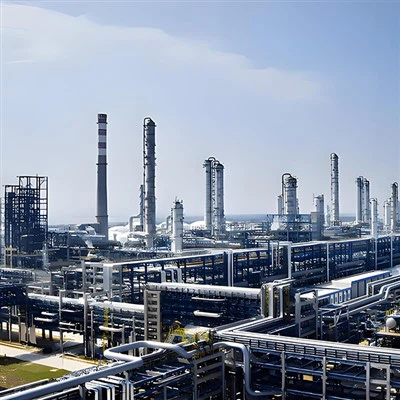
In modern petroleum refining, thermal processing is one of the most critical stages in converting crude oil into valuable fuels and petrochemical feedstocks. At the center of this process lies the refinery furnace-often called a fired heater or process heater-which provides the heat required for separation, cracking, and catalytic reactions across multiple units.
Without reliable furnace operation, key refinery units such as crude distillation, vacuum distillation, hydrocracking, and catalytic reforming cannot function efficiently. In fact, process heaters account for a significant share of the total energy consumption in refining facilities, making their performance directly linked to plant profitability and operational stability.
For companies operating in refining and petrochemical sectors, understanding how refinery furnaces work-and how to maintain their efficiency-is essential for maximizing output and protecting equipment life.

The Role of Furnaces in Petroleum Refining
A refinery furnace is designed to raise the temperature of hydrocarbon feed streams before they enter downstream processing units. Heating crude oil or intermediate fractions enables the separation of different boiling components or prepares the material for chemical reactions.
Typical applications include:
Crude distillation unit (CDU) feed heating
Vacuum distillation preparation
Hydroprocessing and catalytic reforming feed heating
Delayed coking and thermal cracking operations
By delivering controlled high temperatures, these furnaces ensure the feedstock reaches the exact thermal conditions required for stable refining operations.
Because many refinery processes depend on precise temperature control, even small inefficiencies in furnace performance can affect product quality, energy costs, and plant throughput.
Basic Structure of a Refinery Furnace
Although furnace designs vary depending on application, most refinery heaters share a similar structural concept. They typically consist of two main heat transfer sections that work together to maximize energy utilization.
Radiant Heating Section
The radiant zone is the primary combustion chamber where burners generate flames that transfer heat directly to process tubes through radiation.
Process coils carrying hydrocarbons are positioned along the furnace walls, absorbing intense thermal energy from the flame. Because this section operates at the highest temperatures in the furnace, it requires high-temperature alloys and robust design to prevent tube damage.
Convection Heating Section
Above the radiant chamber is the convection section. In this zone, hot flue gases leaving the firebox pass through additional tube banks, transferring remaining heat before exiting the stack.
This secondary heat recovery stage significantly improves overall furnace efficiency by utilizing energy that would otherwise be lost.
Together, these sections enable refinery furnaces to achieve high thermal efficiency while delivering stable heating performance.

Common Operational Challenges in Refinery Furnaces
Despite their robust design, refinery furnaces are subject to performance degradation over time. Most issues develop gradually through operational conditions rather than sudden mechanical failure.
Fouling and Coke Formation
Hydrocarbon streams flowing through furnace tubes can form coke deposits on internal surfaces. These deposits act as thermal insulation, reducing heat transfer efficiency and forcing operators to increase firing rates to maintain target temperatures.
As a result, fuel consumption increases while tube metal temperatures rise, accelerating equipment aging.
Flow Imbalance Across Furnace Passes
Many process heaters use multi-pass coil arrangements. If the flow distribution between passes becomes uneven, certain tubes may receive excessive heat while others remain underutilized.
Localized overheating caused by flow imbalance can significantly shorten tube life and increase the risk of failure.
Combustion Inefficiency
Poor burner adjustment, incorrect air-fuel ratios, or uncontrolled air infiltration can reduce combustion efficiency. Even small deviations in excess air levels may increase fuel consumption and raise stack temperatures.
Process Variability
Refinery furnaces rarely operate in isolation. Changes in feed composition, upstream supply, or downstream unit conditions can quickly affect furnace duty. Without coordinated control across the plant, these variations can lead to unstable furnace operation.


Strategies to Improve Furnace Performance
Improving furnace reliability and efficiency requires a combination of engineering design, monitoring technology, and operational discipline.
Advanced Monitoring and Data Analysis
Continuous monitoring of parameters such as tube metal temperature, stack temperature, oxygen concentration, and pressure drop can reveal early signs of fouling or combustion inefficiency.
Data analytics tools can help identify subtle patterns that traditional monitoring might overlook.
Regular Maintenance and Decoking
Scheduled inspection and cleaning of furnace tubes help restore heat transfer efficiency and prevent excessive coke buildup. Predictive maintenance strategies allow operators to schedule cleaning before serious performance loss occurs.
Optimized Combustion Control
Maintaining the correct balance between fuel and combustion air is critical for efficient furnace operation. Modern control systems can automatically adjust burner firing rates and air supply to maintain optimal combustion conditions.
Integrated Process Optimization
Because furnace performance is closely tied to upstream and downstream units, refinery operations benefit from integrated optimization strategies that coordinate furnace operation with overall plant production targets.
Choosing the Right Furnace Technology
The design and manufacturing quality of refinery furnaces have a direct impact on long-term plant performance. Factors such as heat transfer efficiency, material durability, burner configuration, and thermal insulation all influence operating costs and reliability.
Chunlei Chemical Machinery specializes in the engineering and manufacturing of industrial heating equipment for refining and petrochemical industries. By combining advanced thermal design with durable materials and precision fabrication, Chunlei furnaces help plants achieve:
Higher thermal efficiency
Stable temperature control
Longer equipment service life
Reduced operational energy costs
Our engineering team works closely with clients to deliver customized furnace solutions that meet the specific demands of refinery and chemical processing operations.

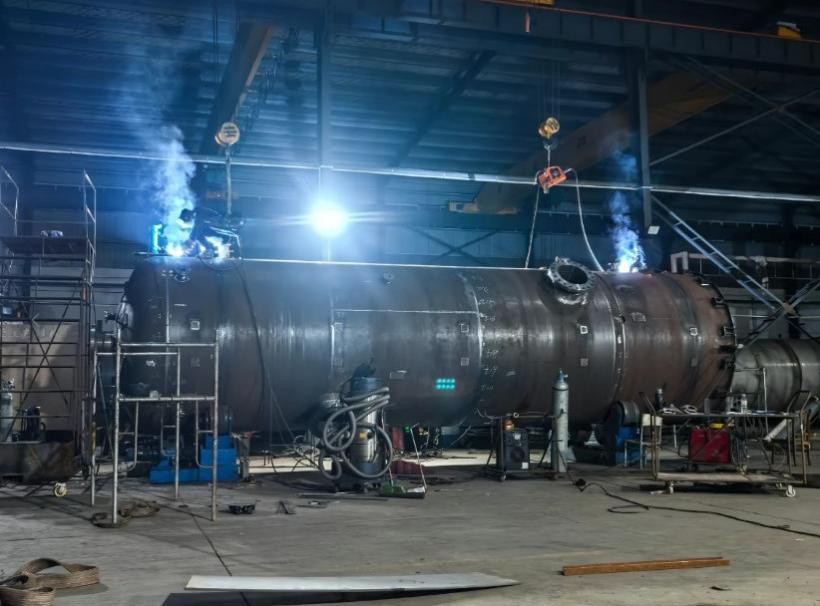
The Future of Refinery Furnace Optimization
As refineries move toward higher efficiency and lower emissions, furnace technology continues to evolve. Digital monitoring systems, advanced combustion control, and data-driven optimization are becoming essential tools for modern refinery management.
By combining robust furnace design with intelligent operation strategies, refining facilities can extend equipment life, reduce fuel consumption, and maintain reliable production in increasingly competitive energy markets.
If you are looking for high-performance industrial furnaces for refinery or petrochemical applications, Chunlei Chemical Machinery offers engineered solutions designed for efficiency, durability, and long-term reliability.
Contact our engineering team today to discuss customized furnace systems for your plant.