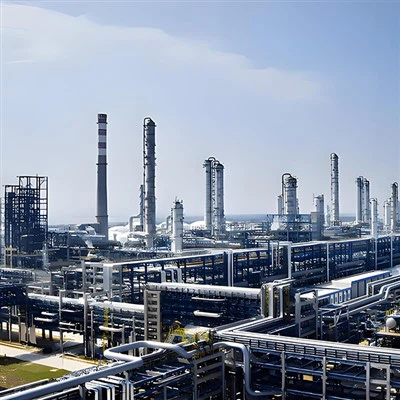
In many industrial processes, selecting the right industrial heating furnace directly affects production efficiency, energy consumption, and product quality. Whether in petrochemical processing, metallurgy, or chemical manufacturing, heating furnaces play a critical role in maintaining stable process temperatures.
Among the most widely used systems today are gas heating furnaces and electric heating furnaces. While both are designed to generate high temperatures for industrial processes, their operating principles, energy efficiency, and application scenarios differ significantly.
This guide explains the key differences between these two furnace types and helps manufacturers determine which industrial heating furnace is best suited for their production requirements.

What Is an Industrial Heating Furnace?
An industrial heating furnace is a high-temperature thermal processing system used to heat materials, fluids, or process equipment during manufacturing operations. These systems typically operate at temperatures exceeding 400°C and are widely used in industries such as metallurgy, oil refining, ceramics, and chemical processing.
The primary purpose of a heating furnace is to transfer heat efficiently to a material or process stream so that chemical reactions, material transformations, or thermal treatments can occur under controlled conditions.
Depending on the heat source, industrial heating furnaces are generally categorized into:
Gas-fired heating furnaces
Electric heating furnaces
Induction heating systems
Hybrid thermal systems
Among these options, gas and electric heating furnaces are the most commonly used in industrial manufacturing.
Gas Heating Furnace: High Capacity for Large-Scale Processing
A gas heating furnace generates heat by burning natural gas, LPG, or other fuels inside a combustion chamber. The thermal energy produced is transferred to tubes, materials, or process fluids within the furnace.
Key advantages
1. High heating capacity
Gas heating furnaces can reach extremely high temperatures quickly, making them suitable for large-scale industrial operations.
2. Lower energy cost for continuous operation
For facilities with stable fuel supply, gas furnaces often provide lower long-term operating costs compared with electric systems.
3. Ideal for heavy industrial applications
Gas-fired furnaces are commonly used in:
Oil refinery process heating
Petrochemical cracking units
Metal forging and reheating
Large-scale chemical production
Limitations
However, gas furnaces require combustion systems, exhaust management, and strict safety control, which increases installation complexity.


Electric Heating Furnace: Precision and Clean Heating
An electric heating furnace generates heat through electric resistance elements or induction heating systems. Instead of combustion, electrical energy is converted directly into thermal energy.
Key advantages
1. Precise temperature control
Electric furnaces allow accurate temperature regulation, which is important for processes requiring consistent thermal conditions.
2. Cleaner operation
Because no combustion occurs, electric furnaces produce fewer emissions and are suitable for environmentally controlled facilities.
3. Compact system design
Electric heating systems often require less installation space compared with large fuel-fired furnaces.
Limitations
Electric heating furnaces typically have higher electricity costs when operating continuously at very high temperatures, which may limit their use in large-scale heavy industries.
Performance Comparison: Gas vs Electric Heating Furnace
| Feature | Gas Heating Furnace | Electric Heating Furnace |
|---|---|---|
| Heat source | Natural gas / fuel combustion | Electric resistance or induction |
| Heating capacity | Very high | Moderate to high |
| Temperature control | Good | Excellent |
| Operating cost | Lower for large operations | Higher for continuous heating |
| Emissions | Requires exhaust control | Cleaner operation |
| Typical industries | Petrochemical, metallurgy | Electronics, precision heat treatment |
Both furnace types are designed to maintain high process temperatures, but the choice depends largely on production scale, energy availability, and process requirements.
How to Choose the Right Industrial Heating Furnace
When selecting an industrial heating furnace, manufacturers should evaluate several key factors.
Production scale
Large industrial facilities often prefer gas heating furnaces due to their strong heating capacity and lower fuel cost in continuous operation.
Temperature stability
Processes that require highly accurate temperature control may benefit from electric heating furnaces.
Energy availability
If natural gas infrastructure is readily available, gas furnaces can offer lower operating costs. In regions with stable electricity supply or renewable energy sources, electric furnaces may be a more sustainable choice.
Process requirements
Different manufacturing processes require different heating environments, including:
direct fired heating
radiant tube heating
controlled atmosphere heating
Selecting the correct furnace configuration ensures consistent product quality and reliable system performance.
Industrial Applications of Heating Furnaces
Industrial heating furnaces are essential in many sectors, including:
Petrochemical refining
Steel and metal heat treatment
Glass and ceramics manufacturing
Chemical processing plants
Industrial material drying
In these industries, furnaces provide the thermal energy required for chemical reactions, structural transformations, and controlled heating processes.


Conclusion
Both gas heating furnaces and electric heating furnaces play an important role in modern industrial manufacturing. Gas-fired systems offer powerful heating capacity and lower operational costs for heavy-duty processes, while electric furnaces provide precise temperature control and cleaner operation.
Choosing the right industrial heating furnace ultimately depends on your production scale, energy strategy, and process requirements.
If your facility requires a reliable, high-efficiency heating system for industrial processing, selecting the right furnace design can significantly improve productivity and long-term operating efficiency.
Looking for a reliable industrial heating furnace solution?
Chunlei Mechanical specializes in designing and manufacturing custom industrial heating furnaces for chemical plants, refineries, and high-temperature processing facilities.
Contact our engineering team today to discuss your project requirements and receive a professional furnace design solution.