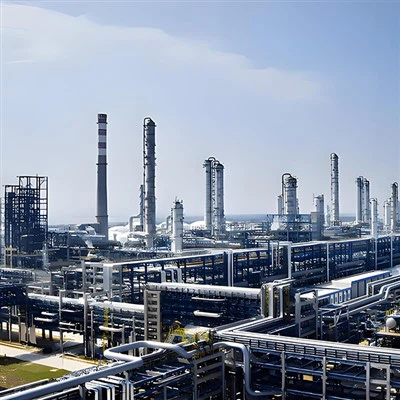
In a refinery, a fired heater is responsible for delivering a large amount of thermal energy to process fluids before they enter distillation columns, reactors, fractionation systems, or other downstream equipment.
But buying a Fired Heater for General Refinery Service is not simply about choosing a furnace with enough heating capacity.
The real question is whether the heater can provide the required duty continuously and efficiently while controlling tube-wall temperature, heat flux, coking, fuel consumption, emissions, and maintenance requirements.
For refinery engineers and purchasing teams, these factors directly affect operating stability and the long-term cost of the process unit.
This guide explains what to consider when selecting a fired heater for general refinery service, from process data and furnace configuration to burners, tubes, heat recovery, safety, manufacturing, and technical support.

What Are Fired Heaters for General Refinery Service?
Fired Heaters for General Refinery Service are direct-fired process heating units designed to heat refinery process streams using fuel combustion.
Fuel is burned in the furnace, generating high-temperature combustion gases. Heat is transferred to process fluid flowing through tubes located inside the radiant and convection sections.
The basic process is:
Fuel → Combustion → Heat Transfer → Process Tube → Heated Process Fluid
Depending on the refinery and process requirements, the heater may use:
Refinery fuel gas
Natural gas
Fuel oil
Dual-fuel systems
Typical applications include:
Crude oil heating
Atmospheric distillation
Vacuum distillation
Hydrocarbon feed heating
Process gas heating
Reboiler heating
Reactor feed preheating
Other refinery process heating duties
The equipment configuration should be determined by the actual process rather than by a standard furnace size.
Why Is Fired Heater Selection So Important?
A fired heater sits at the intersection of several systems:
Process + Combustion + Heat Transfer + Mechanical Design + Control + Safety
A problem in one area can affect the entire process.
For example:
Excessive Heat Flux
↓
Higher Tube Skin Temperature
↓
Accelerated Coking
↓
Reduced Heat Transfer
↓
Higher Fuel Consumption
↓
More Frequent Cleaning
This is why the lowest equipment quotation is not necessarily the lowest-cost solution over the operating life of the heater.
A properly engineered heater should consider both initial investment and lifecycle performance.
1. Start With the Process, Not the Furnace
Before selecting a heater, the process conditions need to be clearly defined.
Important information includes:
Process fluid
Flow rate
Fluid composition
Inlet temperature
Required outlet temperature
Operating pressure
Design pressure
Heat duty
Vapor fraction
Density
Specific heat
Viscosity
Fouling or coking tendency
For example, heating 50 t/h of relatively clean hydrocarbon is very different from heating 50 t/h of heavy oil with a high tendency to form coke.
The same heat duty can require very different:
Tube arrangements
Heat flux
Flow velocities
Materials
Burner layouts
Cleaning strategies
Therefore, the heater should be designed around the process conditions.
2. How Is Fired Heater Heat Duty Determined?
For a simple sensible-heating application, heat duty can be approximated using:
Q = m × Cp × ΔT
Where:
Q = required heat duty
m = process mass flow rate
Cp = specific heat
ΔT = required temperature increase
However, refinery applications can involve vaporization, changing physical properties, multi-component fluids, and phase changes.
A proper design should therefore be based on a complete process heat balance.
When requesting a quotation, it is much more useful to provide the manufacturer with the complete process conditions rather than only saying:
"We need a 25 MW refinery heater."
The heat duty tells the manufacturer how much heat is required.
The process data determines how that heat should be delivered.
3. Radiant Section: Where the Main Heat Transfer Happens
The radiant section is normally the highest-temperature area of the fired heater.
Process tubes receive heat through radiation from:
Flames
Hot combustion gases
Refractory surfaces
The design needs to control the distribution of heat across the process tubes.
Important factors include:
Burner arrangement
Flame length
Tube spacing
Tube elevation
Heat flux
Tube skin temperature
Furnace dimensions
Refractory configuration
A poor burner layout can create localized hot spots even if the average furnace temperature appears acceptable.
This is why radiant-section design should not be reduced to simply calculating the total heating area.
4. Why Heat Flux Matters
Heat flux is one of the most important parameters in refinery fired-heater design.
Higher heat flux can reduce the required heating surface, but excessive heat flux can increase the thermal stress placed on the process tubes.
Potential problems include:
High tube-wall temperature
Accelerated coke formation
Tube overheating
Metallurgical damage
Shortened tube life
Increased maintenance
For heavy hydrocarbon services, controlling local heat flux is particularly important.
The objective should be:
Enough heat transfer + uniform heat distribution + acceptable tube-wall temperature
rather than simply maximizing heat-transfer intensity.
5. Tube Skin Temperature Should Be a Key Design Check
Process outlet temperature does not tell the whole story.
The temperature of the process fluid inside the tube and the temperature of the tube metal itself are different.
Tube skin temperature is affected by:
Process temperature
Heat flux
Process velocity
Tube material
Fouling
Burner position
Flame pattern
For high-temperature refinery applications, excessive tube metal temperature can reduce tube service life.
This is particularly important when the process fluid has a strong tendency to coke.
A heater should therefore be evaluated based on both:
Required Process Outlet Temperature and Maximum Acceptable Tube Skin Temperature
6. What Is the Role of the Convection Section?
After passing through the radiant section, the flue gas still contains significant thermal energy.
The convection section recovers part of this heat before the gas exits through the stack.
Depending on the project, the recovered heat may be used for:
Process preheating
Steam generation
Boiler feedwater heating
Combustion-air preheating
This improves the utilization of fuel energy.
For example, if a heater requires 100 units of fuel energy but part of the flue-gas heat is recovered to preheat another process stream, less additional fuel may be required elsewhere in the plant.
This is why the convection section should be considered part of the overall refinery energy system.
7. How Should the Fired Heater Configuration Be Selected?
Different refinery services require different furnace configurations.
Vertical Cylindrical Fired Heater
A vertical cylindrical design has a compact footprint and can be suitable for a range of refinery and petrochemical applications.
Potential advantages include:
Compact layout
Efficient use of plot space
Relatively straightforward structure
Flexible application
Cabin-Type Fired Heater
Cabin-type heaters provide a larger rectangular radiant chamber.
They can be considered for applications requiring:
Larger radiant surface
Multiple process passes
More complicated tube arrangements
Larger heat duties
Box-Type Fired Heater
Box-type configurations offer considerable flexibility for larger or more complex process requirements.
The final choice should consider:
Heat Duty + Process Conditions + Tube Arrangement + Burner Layout + Plot Space + Maintenance
There is no universal furnace configuration suitable for every refinery project.
8. How to Select the Process Tube Material?
The process tubes are exposed to high temperatures while containing pressurized refinery fluids.
Material selection should therefore consider:
Design temperature
Design pressure
Process composition
Sulfur compounds
Hydrogen exposure
Corrosion
Coking
Tube metal temperature
Required service life
Depending on the application, materials may include:
Carbon steel
Low-alloy steel
Stainless steel
High-alloy steel
Heat-resistant alloys
For high-temperature applications, the material should be selected according to the actual operating environment and applicable design requirements.
Choosing a material solely because it has a lower purchase price can increase the risk of premature replacement or unplanned shutdowns.
9. Burner Selection for Refinery Fired Heaters
Burners determine how fuel is converted into thermal energy.
A suitable burner needs to provide:
Stable flame
Appropriate flame shape
Good fuel-air mixing
Controlled heat release
Low risk of flame impingement
Required emissions performance
Fuel composition is particularly important in refinery service.
Refinery fuel gas may vary in:
Hydrogen content
Methane content
Hydrocarbon composition
Heating value
Pressure
These variations can influence flame stability and combustion behavior.
Therefore, burner selection should be based on the actual fuel specification.
10. Why Combustion Air Control Matters
A fired heater needs enough air to complete combustion.
But excessive air creates additional stack losses because the heater must also heat and discharge the additional air.
Too much air can therefore increase fuel consumption.
Too little air may cause:
Incomplete combustion
Higher CO
Soot formation
Flame instability
Unsafe operating conditions
The objective is not simply "more air" or "less air."
The goal is to maintain an appropriate air-to-fuel ratio across the operating range.
11. Natural Draft vs. Forced Draft
The draft system controls combustion air and flue-gas movement.
Natural Draft
Natural draft relies on the density difference between hot flue gas and ambient air.
Advantages include:
Simple structure
Low auxiliary power consumption
Fewer mechanical components
Forced Draft
Forced-draft fans supply combustion air to the burners.
This provides greater control of combustion-air flow.
Balanced Draft
Balanced-draft systems use both forced-draft and induced-draft equipment to control furnace pressure more actively.
The selection depends on:
Heater size
Fuel
Emission requirements
Site conditions
Control philosophy
Project specifications
12. How to Control Coking in Refinery Fired Heaters?
Coking is one of the most important concerns when heating heavy hydrocarbons.
As deposits accumulate inside the tubes, the thermal resistance increases.
This can create a chain reaction:
Coke Formation → Lower Heat Transfer → Higher Tube Skin Temperature → More Coke Formation
The consequences may include:
Increased pressure drop
Higher fuel consumption
Reduced heat-transfer performance
Reduced operating cycle
More frequent decoking
Tube damage
Coking should therefore be considered during the original design.
Key factors include:
Heat Flux
Avoid unnecessarily high local heat flux.
Process Velocity
Maintain appropriate flow velocity through the tubes.
Tube Geometry
Tube diameter, length, and pass arrangement influence both heat transfer and pressure drop.
Process Temperature
Avoid unnecessary overheating of coke-forming streams.
Tube Skin Temperature
Keep the tube metal temperature within the appropriate design range.


13. Pressure Drop Should Be Considered During Design
The process fluid must pass through the heater without excessive pressure loss.
Pressure drop is influenced by:
Tube diameter
Tube length
Number of passes
Fluid velocity
Fluid viscosity
Fluid density
Operating temperature
Excessive pressure drop can increase pumping requirements and affect the performance of upstream and downstream equipment.
A properly designed heater therefore needs to balance:
Heat Transfer vs. Pressure Drop
Increasing flow velocity may improve heat transfer, but it can also increase pressure loss.
14. Thermal Expansion Cannot Be Ignored
A fired heater operates under significant temperature changes.
The process tubes, headers, supports, furnace structure, stack, and connected piping all experience thermal expansion.
If the expansion system is not properly designed, it can result in:
Excessive mechanical stress
Header loads
Tube stress
Support damage
Piping problems
Refractory cracking
Thermal expansion should therefore be incorporated into the mechanical design from the beginning.
15. Refractory Design and Installation
Refractory serves two important purposes:
Protecting the furnace structure
Reducing heat loss
Poor refractory performance can result in:
Higher external wall temperatures
Increased heat loss
Higher fuel consumption
Structural damage
More frequent repairs
Refractory selection should consider:
Operating temperature
Furnace atmosphere
Mechanical conditions
Thermal cycling
Installation quality also matters. Cracks, gaps, poor anchoring, and improper curing can shorten refractory life.
16. Safety Systems for Refinery Fired Heaters
A refinery fired heater combines:
Flammable Fuel + High-Temperature Combustion + Pressurized Process Fluid
Safety systems therefore need to be integrated into the equipment design.
Depending on the project, systems may include:
Burner Management System
Flame Detection
Fuel Shutoff Valves
Furnace Pressure Monitoring
Combustion-Air Monitoring
Emergency Shutdown
Purging System
Fuel Pressure Protection
Temperature Alarms
Safety Interlocks
The exact safety system should follow the applicable codes, project specifications, and process safety requirements.
17. What Standards Are Used for General Refinery Service?
For general refinery fired-heater applications, the project may reference:
API 560 – Fired Heaters for General Refinery Service
API 535 – Burners for Fired Heaters in General Refinery Services
Applicable ASME requirements
Applicable NFPA requirements
Local pressure equipment regulations
Environmental and emissions requirements
The specific standards, editions, and project specifications should be confirmed during the engineering stage.
For international refinery projects, the manufacturer's ability to work with the customer's specified design basis is particularly important.
How to Choose a Fired Heater Manufacturer?
Choosing a Fired Heater manufacturer should involve more than comparing equipment prices.
Ask the supplier about its ability to handle the complete technical scope.
Thermal Design Capability
Can the manufacturer perform:
Heat balance
Radiant-section design
Convection-section design
Heat-flux calculations
Tube-wall temperature evaluation
Mechanical Design Capability
Can the manufacturer design:
Process tubes
Headers
Tube supports
Furnace structure
Stack
Expansion systems
Pressure-containing components
Combustion Engineering
Can the manufacturer provide:
Burner selection
Fuel system
Combustion-air system
Draft system
Flame monitoring
Manufacturing and Quality Control
Ask about:
Material traceability
Welding procedures
NDT
Dimensional inspection
Pressure testing
Factory inspection
Technical Support
For large refinery projects, also confirm whether the supplier can support:
Installation
Commissioning
Troubleshooting
Spare parts
Technical documentation
EPC coordination
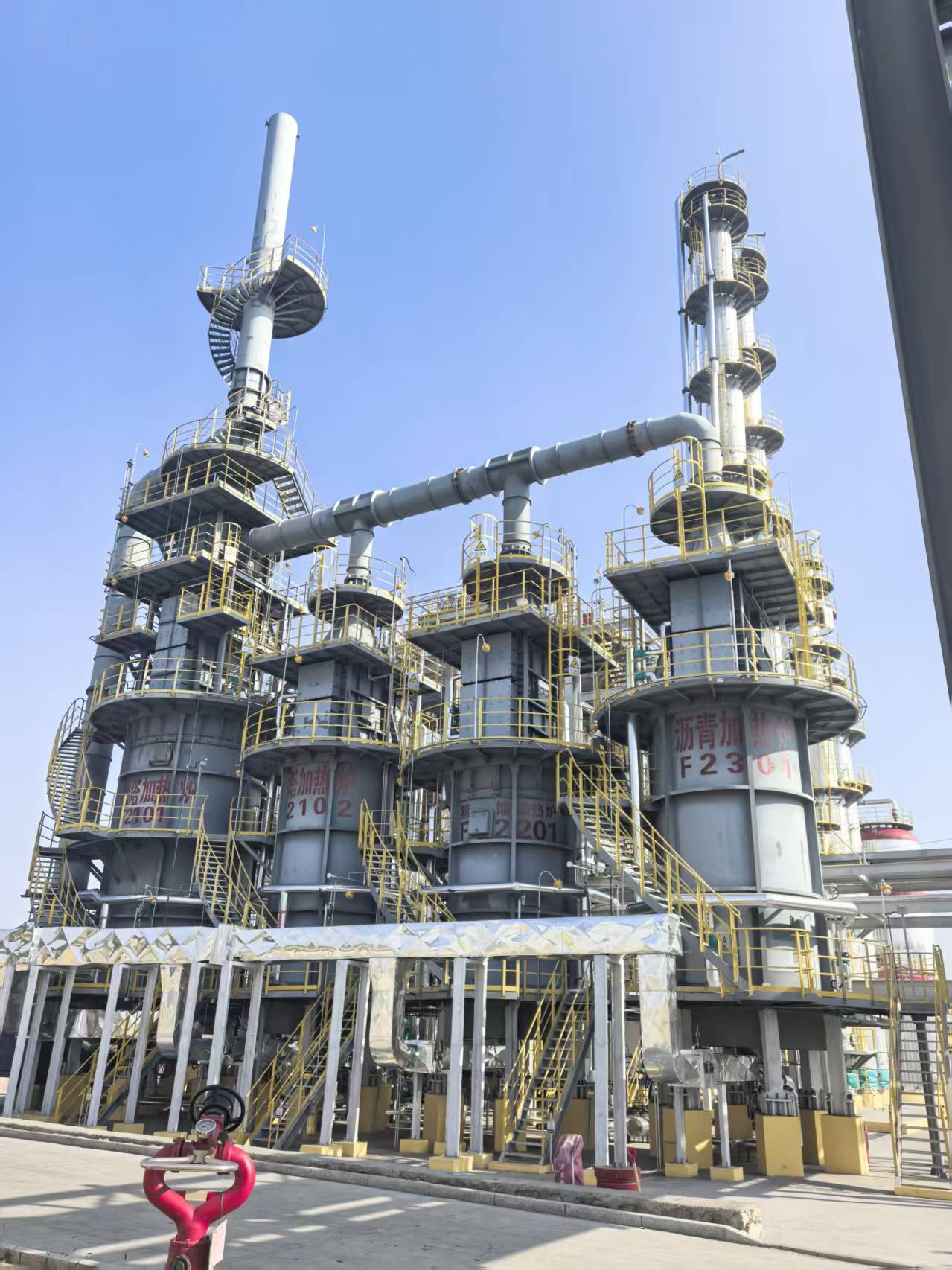
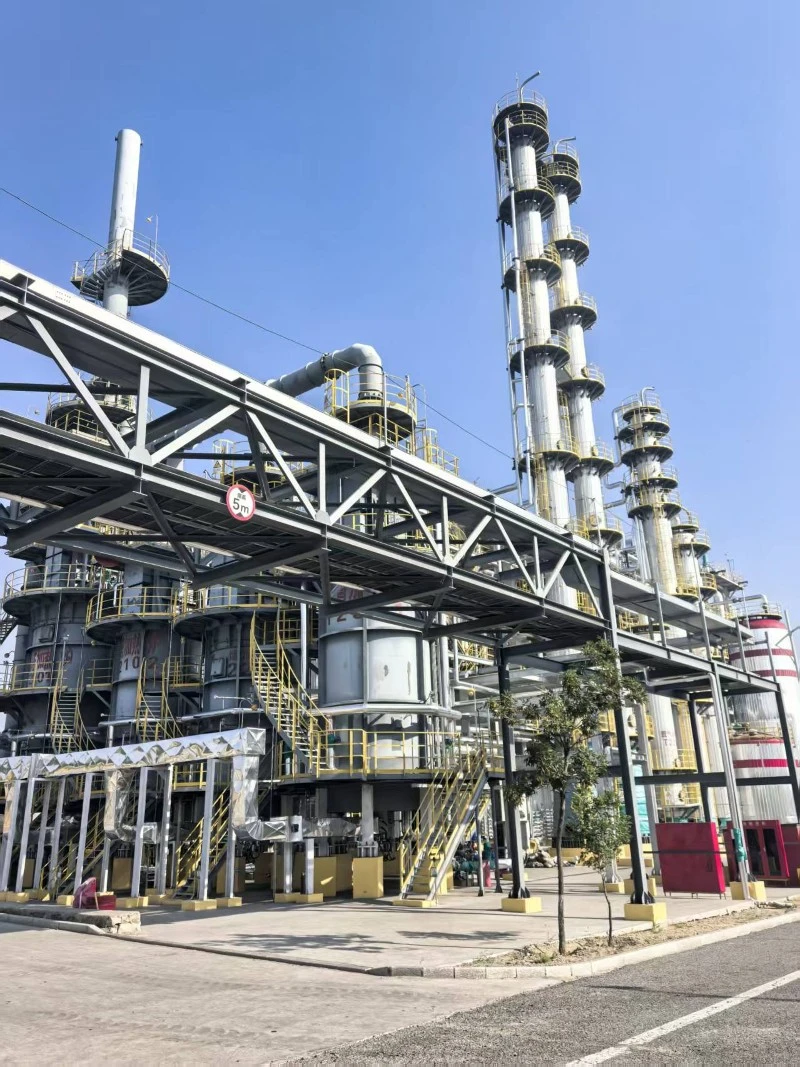
Fired Heaters for General Refinery Service from Chunlei Chemical Machinery
Chunlei Chemical Machinery provides customized fired-heater solutions for refinery, petrochemical, and chemical process applications.
Rather than treating a fired heater as a standard piece of fabricated equipment, Chunlei develops the equipment around the customer's actual process conditions and project requirements.
The engineering scope can address:
Heat duty
Process flow rate
Furnace configuration
Radiant section
Convection section
Process tube arrangement
Tube material
Burner system
Fuel conditions
Combustion-air system
Draft system
Refractory
Stack
Instrumentation
Safety and control requirements
For customers purchasing a single heater, Chunlei Chemical Machinery can provide equipment engineering and manufacturing.
For larger refinery and petrochemical projects, the service can extend to:
Engineering → Manufacturing → Inspection → Delivery → Installation Support → Commissioning → EPC Services
This allows the heater to be coordinated with the wider process system instead of being supplied as an isolated piece of equipment.
How Much Do Fired Heaters for General Refinery Service Cost?
There is no fixed price for a refinery fired heater.
The final Fired Heater price depends on the complete technical specification.
Major cost factors include:
Heat duty
Furnace dimensions
Process tube quantity
Tube material
Tube length
Radiant-section configuration
Convection-section design
Burner type
Burner quantity
Fuel system
Refractory
Instrumentation
Automation
Inspection requirements
Applicable standards
Emission requirements
Installation scope
EPC requirements
A heater using conventional materials and a relatively simple configuration can have a completely different price from a high-temperature unit using alloy tubes, customized burners, extensive inspection, and project-specific engineering.
For this reason, buyers should compare technical scope + equipment price + operating cost + maintenance requirements, rather than comparing the quotation total alone.
What Information Should You Provide for a Fired Heater Quotation?
To obtain a meaningful quotation, provide the following information whenever available.
Process Data
Process fluid
Flow rate
Composition
Inlet temperature
Outlet temperature
Operating pressure
Design pressure
Heat duty
Vapor fraction
Fuel Data
Fuel type
Fuel composition
Fuel pressure
Heating value
Dual-fuel requirements
Site Data
Ambient temperature
Elevation
Installation location
Available plot space
Utility conditions
Stack requirements
Project Data
Applicable codes
Emission requirements
Inspection requirements
Control requirements
Delivery schedule
Installation requirements
Commissioning scope
EPC requirements
If some information is not available, send the data you already have. The manufacturer can identify the remaining engineering parameters during technical clarification.
Fired Heater Quality Control
A refinery fired heater should be controlled throughout the manufacturing process.
Material Inspection
Verify material grade, certification, and traceability for process tubes, headers, and other pressure-containing components.
Welding Quality
Welding procedures, qualified welders, welding consumables, and inspection should comply with the project requirements.
Dimensional Inspection
Important checks may include:
Furnace dimensions
Tube positioning
Burner locations
Header alignment
Nozzle orientation
Structural dimensions
Non-Destructive Testing
Depending on the project requirements:
Radiographic Testing
Ultrasonic Testing
Magnetic Particle Testing
Liquid Penetrant Testing
Pressure Testing
Applicable pressure-containing components should undergo the required testing according to the relevant code and project specification.
Final Inspection
The completed heater should be checked against approved drawings, specifications, inspection plans, and customer requirements before shipment.
Common Problems With Refinery Fired Heaters
High Tube Skin Temperature
Possible causes include:
Excessive heat flux
Poor process flow
Fouling
Flame impingement
Incorrect burner adjustment
Excessive Coking
Possible causes include:
High tube-wall temperature
Excessive heat flux
Low process velocity
Heavy hydrocarbon composition
Excessive residence time
High Stack Temperature
Possible causes include:
Insufficient convection heat recovery
Excessive combustion air
Fouled convection surfaces
Air leakage
Flame Instability
Possible causes include:
Fuel-pressure fluctuation
Incorrect air-to-fuel ratio
Unsuitable burner configuration
Fuel composition changes
Refractory Damage
Possible causes include:
Thermal cycling
Poor installation
Mechanical damage
Localized overheating
Fired Heater Buying Checklist
Before purchasing a Fired Heater for General Refinery Service, confirm:
Heat duty
Process flow rate
Process composition
Inlet temperature
Outlet temperature
Operating pressure
Design pressure
Fuel type
Fuel composition
Furnace configuration
Radiant-section design
Convection-section design
Process tube material
Heat-flux requirements
Burner configuration
Draft system
Refractory
Stack
Instrumentation
Safety system
Emission requirements
Applicable codes
Inspection requirements
Installation support
Commissioning support
EPC scope
Final Thoughts
A Fired Heater for General Refinery Service should be selected as a complete process system rather than simply as a furnace with a specified heating capacity.
The key is to maintain the right balance between:
Heat Duty + Heat Flux + Tube Skin Temperature + Combustion Efficiency + Pressure Drop + Coking Control + Equipment Life
A heater that achieves the required outlet temperature but causes excessive coking, high fuel consumption, or tube overheating may create much higher costs during operation.
For refinery projects, buyers should therefore look beyond the initial equipment quotation and evaluate the manufacturer's:
Engineering Capability + Manufacturing Quality + Combustion Technology + Inspection System + Technical Support + EPC Capability
Chunlei Chemical Machinery can provide customized Fired Heaters for General Refinery Service based on actual process conditions, fuel requirements, applicable standards, and project scope.
From individual heater manufacturing to larger refinery and petrochemical projects, Chunlei can support:
Engineering → Manufacturing → Inspection → Delivery → Installation Support → Commissioning → EPC Services
If you are planning a new refinery heater, replacement project, or process-unit expansion, provide your heat duty, process flow rate, inlet/outlet temperature, pressure, process fluid, and fuel information.
Chunlei Chemical Machinery can evaluate your requirements and develop a customized fired-heater solution.