

Hey there! As a supplier of reboiler heaters, I get a ton of questions from folks about how to pick the right one for their process. It's not an easy decision, but I'm here to break it down for you in a way that's easy to understand.
First off, let's talk about what a reboiler heater actually does. A reboiler heater is a crucial component in many industrial processes, especially in the chemical, petrochemical, and refining industries. Its main job is to provide the heat needed to vaporize a liquid in a distillation column or other separation process. This vaporization helps in separating different components of a mixture based on their boiling points.
So, how do you choose the right reboiler heater for your process? Well, there are several factors you need to consider.
1. Process Requirements
The first thing you need to look at is your process requirements. What kind of liquid are you heating? What's its flow rate, temperature, and pressure? Different liquids have different properties, and these properties will determine the type of heater you need. For example, if you're dealing with a high-viscosity liquid, you might need a heater with a higher heat transfer rate.
2. Heat Duty
Heat duty is another important factor. It refers to the amount of heat that the heater needs to provide to vaporize the liquid. You can calculate the heat duty based on the flow rate, specific heat, and temperature change of the liquid. Make sure to choose a heater that can handle the required heat duty. If the heater is too small, it won't be able to provide enough heat, and if it's too large, it will be inefficient and cost more to operate.
3. Type of Heater
There are several types of reboiler heaters available, each with its own advantages and disadvantages. Some common types include:
- Fired Heaters: These heaters use a fuel source, such as natural gas or oil, to generate heat. They are often used in large-scale industrial processes where high heat output is required. You can learn more about Fired Heater in Refinery and Furnace in Petrochemical Industry on our website.
- Electric Heaters: Electric heaters are a popular choice for smaller-scale processes or where there is no access to a fuel source. They are easy to control and can provide precise heating.
- Steam Heaters: Steam heaters use steam as a heat source. They are efficient and can be used in a wide range of applications.
4. Material of Construction
The material of construction is also important. You need to choose a material that is compatible with the liquid you're heating and can withstand the operating conditions. For example, if you're dealing with a corrosive liquid, you might need a heater made of a corrosion-resistant material, such as stainless steel.
5. Safety Considerations
Safety is always a top priority when it comes to industrial equipment. Make sure to choose a heater that meets all the relevant safety standards and regulations. Look for features such as overheat protection, pressure relief valves, and flame arrestors.
6. Cost
Of course, cost is also a factor. You need to balance the initial cost of the heater with its operating cost and maintenance requirements. A more expensive heater might have a higher upfront cost, but it could save you money in the long run if it's more efficient and requires less maintenance.
7. Supplier Reputation
Finally, don't forget to consider the reputation of the supplier. You want to work with a supplier who has a good track record of providing high-quality products and excellent customer service. Look for reviews and testimonials from other customers to get an idea of what to expect.
Now that you know the factors to consider, let's take a look at some specific types of reboiler heaters and when they might be the best choice.
Vertical Cylindrical Fired Heater
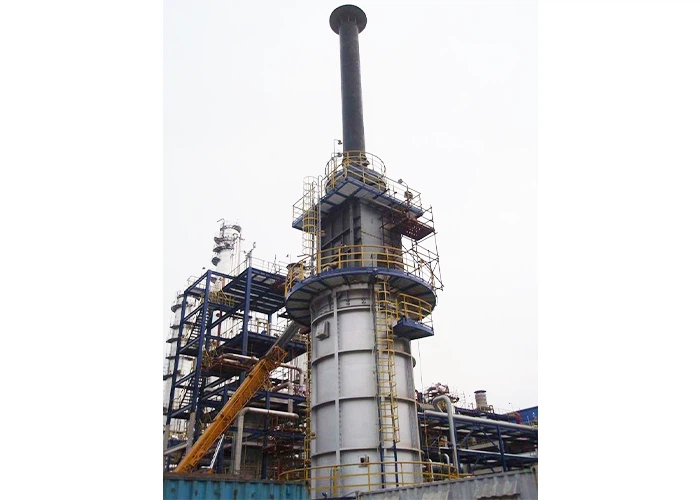
The Vertical Cylindrical Fired Heater is a popular choice for many industrial processes. It has a vertical design, which allows for efficient heat transfer and easy installation. This type of heater is often used in applications where high heat output is required, such as in refineries and petrochemical plants.
Electric Reboiler Heaters
Electric reboiler heaters are a great option for smaller-scale processes or where there is no access to a fuel source. They are easy to install and operate, and they can provide precise temperature control. Electric heaters are also more environmentally friendly than fired heaters, as they don't produce any emissions.
Steam Reboiler Heaters
Steam reboiler heaters use steam as a heat source. They are efficient and can be used in a wide range of applications. Steam heaters are often used in processes where the temperature needs to be controlled within a narrow range.
In conclusion, choosing the right reboiler heater for your process is a complex decision that requires careful consideration of several factors. By taking the time to understand your process requirements, heat duty, type of heater, material of construction, safety considerations, cost, and supplier reputation, you can make an informed decision that will meet your needs and help you achieve your production goals.

If you're still not sure which reboiler heater is right for you, don't hesitate to reach out to us. We're here to help you find the perfect solution for your process. Whether you have questions about our products, need a quote, or want to discuss your specific requirements, we're just a call or an email away. Let's start a conversation and see how we can work together to meet your heating needs.
References
- Smith, J. (2020). Industrial Heating Equipment: A Comprehensive Guide. Publisher Name.
- Johnson, A. (2019). Reboiler Design and Operation. Journal of Chemical Engineering, 45(2), 123-135.


