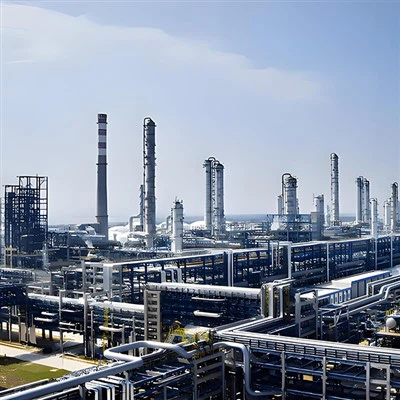
In modern refining and petrochemical processing, petrochemical furnaces (fired heaters) serve as the critical thermal core. Whether driving high-temperature hydrocarbon pyrolysis in ethylene steam crackers or enabling catalytic conversions in steam methane reformers (SMR), furnace performance directly dictates plant uptime, energy consumption, and operating margin.
This guide explores the engineering fundamentals, performance optimization tactics, and proactive maintenance strategies necessary for running high-efficiency petrochemical fired heaters.
Core Classifications of Petrochemical Furnaces
Petrochemical furnaces are specialized fired heaters designed to transfer heat generated by fuel combustion to process fluids flowing inside alloy coils. Depending on process dynamics and reaction mechanics, they are broadly categorized into three types:
| Furnace Type | Primary Application | Operating Temperature Range |
Critical Design Priority |
|||
| Ethylene Steam Crackers | Pyrolysis of Naphtha, Ethane, Propane | 750∘C−875∘C (1380∘F−1600∘F) |
Ultra-short residence time, high heat flux alloy coils |
|||
| Steam Methane Reformers (SMR) | Syngas, Hydrogen, Ammonia Production | 800∘C−950∘C (1470∘F−1740∘F) |
Uniform radiant flux profile, catalyst tube protection |
|||
| Crude & Crude Fractionation Heaters | Atmospheric / Vacuum Distillation Units | 340∘C−420∘C (640∘F−790∘F) |
Prevention of thermal cracking, low pressure drop design |

Key Anatomic Components and Engineering Factors
To maintain high thermal availability while minimizing emissions, process engineers must balance thermal radiation, convection heat recovery, and combustion control.
A. The Radiant Section (Firebox)
The radiant section absorbs 60% - 70% of total heat. Radiant tubes constructed from high-nickel/high-chromium alloys (such as HP40, 35Cr-45Ni, or Micro-alloyed materials) endure severe thermal stress and carburization.
Flux Uniformity: Imbalance in burner heat input leads to localized hot spots, accelerating tube creep and premature failure.
Burner Configuration: Modern designs utilize Ultra-Low NOx Burners (ULNB) combined with flue gas recirculation (FGR) to keep emissions compliant with global standards.
B. The Convection Section & Heat Recovery
Flue gas exiting the radiant section enters the convection zone at elevated temperatures. To optimize overall thermal efficiency:
Finned or studded tubes are deployed to increase heat transfer surface area.
Integrated Air Preheaters (APH) and Waste Heat Recovery Units (WHRU) capture residual enthalpy, preheating combustion air or generating high-pressure steam.
Strategies for Efficiency Optimization & Decarbonization
Energy costs represent up to 60% of total furnace operational expenditure. Upgrading heater efficiency directly boosts plant profitability while lowering Scope 1 carbon footprint.
Flue Gas Oxygen Control: Operating with ideal excess air (2% - 3% text O2 for gas firing) prevents heat loss through excess exhaust while avoiding incomplete combustion.
Advanced Refractory Coatings: High-emissivity ceramic coatings applied to refractory walls boost internal radiation reflections, reducing fuel consumption by 3% - 5%.
Variable Frequency Drives (VFDs): Installing VFDs on Induced Draft (ID) and Forced Draft (FD) fans improves draft regulation and cuts electrical power usage.
Preventing Coking and Tube Degradation
Coke deposition inside radiant coil walls is the primary operational challenge in hydrocarbon processing furnaces.
Causes of Coke Formation: High wall temperatures trigger thermal cracking of feedstocks on the inner tube wall, creating an insulating carbon layer that elevates metal temperatures (TMT).
Impact on Operations: A 1text coke layer drastically reduces thermal conductivity, forcing higher firing rates to maintain outlet process temperatures.
Mitigation Tactics:
Injecting steam as a diluent to lower hydrocarbon partial pressure.
Applying anti-coking internal surface treatments (e.g., chemical vapor deposition coating or mechanical surface polishing).
Deploying periodic Online Decoking (Steam-Air Decoking) or mechanical pigging to clear fouling without full plant shutdowns.
Partnering with Specialized Petrochemical Equipment Manufacturers
Selecting a reliable petrochemical furnace partner requires evaluating more than base equipment cost. Leading global buyers evaluate manufacturers based on:
ASME Code Compliance: ASME Section VIII and API 560 / API 530 design standards for fired heaters.
Metallurgical Sourcing & Fabrication Quality: In-house radiant coil welding, non-destructive testing (NDT), and X-ray inspection of critical weld joints.
Custom Modular Engineering: Pre-assembled convection modules and skid-mounted combustion systems to minimize field erection schedules.