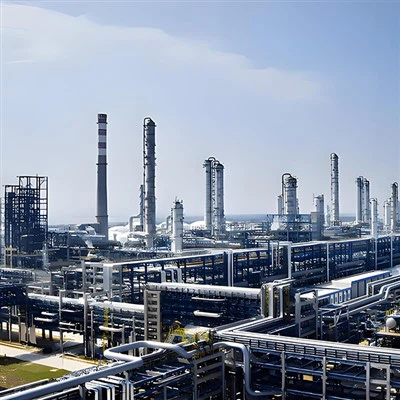
The structure of a heating furnace typically includes the following main parts:
Heating Chamber: This is the core of the furnace, used to hold the material to be heated. The heating chamber is usually made of high-temperature resistant materials, such as refractory bricks or ceramic fibers, to withstand high temperatures and retain heat.
Heat Source System: The heat source system is the energy source of the heating furnace and can be an electric heating element, a gas burner, or an induction coil, etc. Different types of heating furnaces use different heat source systems.
Control System: The control system is used to adjust parameters such as temperature, time, and power of the heating furnace to ensure precise control of the heating process. Modern heating furnaces are usually equipped with advanced PLC or microcomputer control systems.
Cooling System: The cooling system is used to quickly cool the heating chamber or workpiece after the heating process is complete, to improve production efficiency. Cooling methods can include water cooling, air cooling, or natural cooling.