


In the highly competitive chemical industry, reducing the operation costs of chemical towers is a crucial concern for businesses. As a chemical tower supplier, I understand the significance of this issue and am committed to providing effective solutions. This blog post will explore various strategies to reduce the operation costs of chemical towers, drawing on industry knowledge and best practices.
1. Optimize Tower Design
The design of a chemical tower plays a fundamental role in its operation costs. A well - designed tower can improve efficiency and reduce energy consumption.
Select the Right Tower Type
There are different types of chemical towers, such as Packed Tower, Scrubber Tower, and Distillation Tower. Each type has its own characteristics and is suitable for different processes. For example, packed towers are often used for gas - liquid mass transfer operations due to their high surface area for contact. By choosing the appropriate tower type based on the specific process requirements, we can ensure optimal performance and cost - effectiveness.
Improve Internal Structure
The internal structure of a chemical tower, such as the packing material and tray design, can significantly affect its efficiency. High - quality packing materials can enhance mass transfer and reduce pressure drop. For instance, structured packing provides a more uniform flow distribution and higher mass transfer efficiency compared to random packing. Additionally, proper tray design can improve liquid - vapor contact and reduce entrainment, which in turn reduces energy consumption and operating costs.
2. Energy Management
Energy is one of the major cost components in chemical tower operation. Effective energy management can lead to substantial cost savings.
Heat Integration
Heat integration is a powerful technique for reducing energy consumption in chemical towers. By recovering and reusing waste heat from the tower, we can reduce the need for external heating sources. For example, in a distillation tower, the heat from the overhead vapor can be used to pre - heat the feed stream. This not only reduces the energy required for heating but also improves the overall energy efficiency of the process.
Variable Frequency Drives (VFDs)
Installing VFDs on pumps and fans can help adjust the speed of these equipment according to the actual process requirements. This allows for precise control of flow rates and reduces energy consumption. For instance, if the demand for liquid or gas flow in the tower decreases, the VFD can reduce the speed of the pump or fan, thereby saving energy.
3. Maintenance and Monitoring
Regular maintenance and monitoring are essential for ensuring the smooth operation of chemical towers and reducing long - term costs.
Preventive Maintenance
Implementing a preventive maintenance program can help identify and address potential problems before they cause major breakdowns. This includes regular inspections of tower components, such as packing, trays, and internals, to detect any signs of wear or damage. By replacing worn - out parts in a timely manner, we can avoid costly repairs and downtime.
Real - Time Monitoring
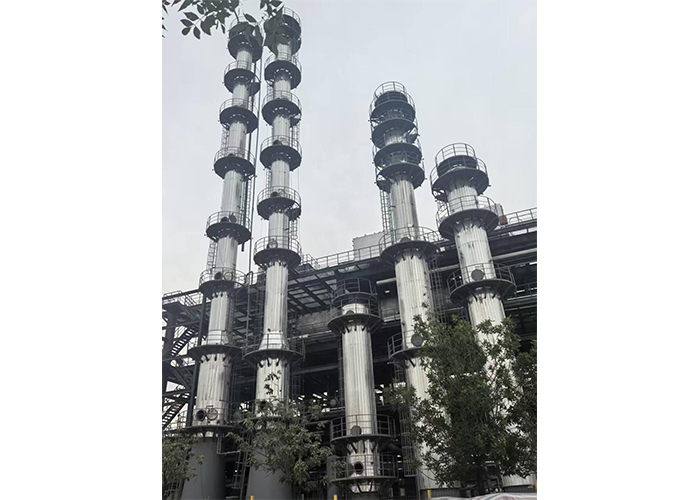
Using advanced monitoring systems can provide real - time data on the performance of the chemical tower. This includes parameters such as temperature, pressure, flow rate, and composition. By analyzing this data, operators can identify any deviations from normal operating conditions and take corrective actions promptly. For example, if the pressure drop across the tower increases, it may indicate a blockage in the packing, and immediate action can be taken to clean or replace the packing.

4. Chemical Usage Optimization
The chemicals used in chemical tower operations also contribute to the overall cost. Optimizing chemical usage can help reduce costs without sacrificing performance.
Chemical Selection
Choosing the right chemicals for the specific process is crucial. High - quality chemicals may have a higher upfront cost but can offer better performance and longer service life. For example, using a high - efficiency corrosion inhibitor can reduce the corrosion rate of the tower internals, thereby extending the lifespan of the equipment and reducing maintenance costs.
Dosage Control
Proper dosage control of chemicals is essential to avoid over - usage. By accurately measuring and controlling the amount of chemicals added to the tower, we can ensure optimal performance while minimizing waste. This can be achieved through the use of automated dosing systems that can adjust the dosage based on real - time process conditions.
5. Staff Training
Well - trained staff are key to the efficient operation of chemical towers. Providing comprehensive training to operators can help them understand the tower's operation principles, maintenance requirements, and safety procedures.
Technical Training
Technical training should cover topics such as tower design, operation, and troubleshooting. Operators should be familiar with the different components of the tower, how they work together, and how to identify and solve common problems. For example, they should know how to adjust the flow rates, temperatures, and pressures to optimize the tower's performance.
Safety Training
Safety is of utmost importance in chemical tower operations. Operators should be trained on safety procedures, such as handling hazardous chemicals, using personal protective equipment, and responding to emergencies. By ensuring a safe working environment, we can prevent accidents and reduce the associated costs.
Conclusion
Reducing the operation costs of chemical towers requires a comprehensive approach that includes optimizing tower design, managing energy, performing regular maintenance and monitoring, optimizing chemical usage, and providing staff training. As a chemical tower supplier, we are dedicated to helping our customers implement these strategies to achieve cost savings and improve the overall efficiency of their chemical processes.
If you are interested in learning more about our chemical towers or discussing how we can help you reduce your operation costs, please feel free to contact us for a procurement discussion. We look forward to working with you to find the best solutions for your specific needs.
References
- Smith, J. (2018). Chemical Tower Design and Operation. Chemical Engineering Journal.
- Brown, A. (2019). Energy Management in Chemical Processes. Energy Efficiency Review.
- Johnson, R. (2020). Maintenance Strategies for Chemical Towers. Industrial Maintenance Magazine.


