

In the petrochemical industry, furnaces play a crucial role in various processes, from refining crude oil to producing a wide range of petrochemical products. Achieving a higher automation level for these furnaces is not only a technological challenge but also a strategic necessity to enhance efficiency, safety, and productivity. As a leading supplier of furnaces in the petrochemical industry, we have witnessed firsthand the transformative power of automation in this sector. In this blog, we will explore the key steps and considerations for achieving a higher automation level for furnaces in the petrochemical industry.
Understanding the Current State of Furnace Automation
Before embarking on the journey to higher automation, it is essential to understand the current state of furnace automation in the petrochemical industry. Traditionally, furnace operations have relied heavily on manual control and monitoring, which can be time - consuming, prone to human error, and less efficient. However, with the rapid advancement of technology, modern furnaces are increasingly equipped with sensors, controllers, and software systems that enable a certain degree of automation.
Some of the basic automation features commonly found in petrochemical furnaces include temperature control, pressure regulation, and fuel flow adjustment. These features help to maintain stable operating conditions and improve the overall performance of the furnace. However, to achieve a higher level of automation, more advanced technologies and strategies need to be implemented.
Key Technologies for Higher Automation
Advanced Sensors
Sensors are the eyes and ears of an automated furnace system. In a petrochemical furnace, various types of sensors are used to monitor critical parameters such as temperature, pressure, flow rate, and composition. For example, thermocouples and resistance temperature detectors (RTDs) are used to measure temperature, while pressure transmitters monitor the pressure inside the furnace. Flow meters are used to measure the flow rate of fuel and other fluids, and gas analyzers can detect the composition of the flue gas.
Advanced sensors with high accuracy, reliability, and long - term stability are essential for achieving a higher automation level. These sensors can provide real - time data that is used by the control system to make informed decisions and adjust the furnace operation accordingly.
Programmable Logic Controllers (PLCs)
PLCs are widely used in industrial automation, including petrochemical furnace control. A PLC is a digital computer that can be programmed to control various processes based on input from sensors and other devices. In a furnace system, a PLC can be used to control the fuel supply, air intake, and other critical functions.
PLCs offer several advantages, such as flexibility, reliability, and ease of programming. They can be easily integrated with other automation components, such as human - machine interfaces (HMIs) and supervisory control and data acquisition (SCADA) systems.
Supervisory Control and Data Acquisition (SCADA) Systems
SCADA systems are used to monitor and control large - scale industrial processes, including petrochemical furnaces. A SCADA system consists of a central control station, remote terminal units (RTUs), and communication networks. The central control station can display real - time data from the furnace sensors, generate alarms, and issue control commands to the RTUs.
SCADA systems provide a comprehensive view of the furnace operation, allowing operators to monitor multiple parameters simultaneously and make timely decisions. They also enable remote monitoring and control, which is particularly useful for large - scale petrochemical plants.
Artificial Intelligence and Machine Learning
Artificial intelligence (AI) and machine learning (ML) technologies are increasingly being applied in the petrochemical industry to achieve higher automation levels. AI and ML algorithms can analyze large amounts of data from furnace sensors to identify patterns, predict equipment failures, and optimize furnace operation.
For example, predictive maintenance algorithms can use historical data and real - time sensor readings to predict when a furnace component is likely to fail, allowing for proactive maintenance. Optimization algorithms can adjust the furnace operating parameters in real - time to maximize efficiency and reduce energy consumption.
Strategies for Implementing Higher Automation
Conduct a Comprehensive Assessment
Before implementing automation upgrades, it is important to conduct a comprehensive assessment of the existing furnace system. This assessment should include an evaluation of the current automation level, the condition of the equipment, and the specific requirements of the petrochemical process.
The assessment should also identify any potential bottlenecks or limitations in the existing system and determine the most suitable automation technologies and strategies to address these issues.
Develop a Customized Automation Plan
Based on the assessment results, a customized automation plan should be developed. This plan should outline the specific automation goals, the technologies to be implemented, the timeline for implementation, and the expected benefits.
The automation plan should be aligned with the overall business strategy of the petrochemical plant and take into account factors such as cost, safety, and regulatory requirements.
Train the Operators
Implementing a higher automation level requires a skilled workforce. Operators need to be trained on how to use the new automation technologies and systems effectively. Training programs should cover topics such as system operation, maintenance, and troubleshooting.
In addition to technical training, operators should also be educated on the importance of automation in improving safety, efficiency, and productivity.
Integrate with Existing Systems
When implementing automation upgrades, it is important to ensure that the new automation systems are integrated with the existing furnace and plant systems. This integration can be challenging, as different systems may use different communication protocols and data formats.
To ensure seamless integration, it is recommended to work with experienced automation vendors who have a proven track record in integrating complex industrial systems.
Benefits of Higher Automation in Petrochemical Furnaces
Improved Efficiency
Automation can significantly improve the efficiency of petrochemical furnaces. By continuously monitoring and adjusting the operating parameters, automation systems can optimize the combustion process, reduce energy consumption, and increase the throughput of the furnace.
For example, an automated control system can adjust the fuel - air ratio in real - time to ensure complete combustion, which not only reduces fuel consumption but also minimizes the emission of pollutants.
Enhanced Safety
Safety is a top priority in the petrochemical industry. Automation can enhance safety by reducing the need for manual intervention in hazardous operations. For example, automated shutdown systems can detect abnormal conditions, such as high temperature or pressure, and automatically shut down the furnace to prevent accidents.
In addition, automation systems can provide real - time monitoring and alarm functions, allowing operators to respond quickly to potential safety hazards.
Increased Productivity
Higher automation levels can lead to increased productivity in petrochemical furnaces. By reducing the time and effort required for manual control and monitoring, operators can focus on more value - added tasks, such as process optimization and maintenance.
Automation also enables continuous operation of the furnace, reducing downtime and increasing the overall production capacity of the petrochemical plant.

Our Furnace Products for Higher Automation
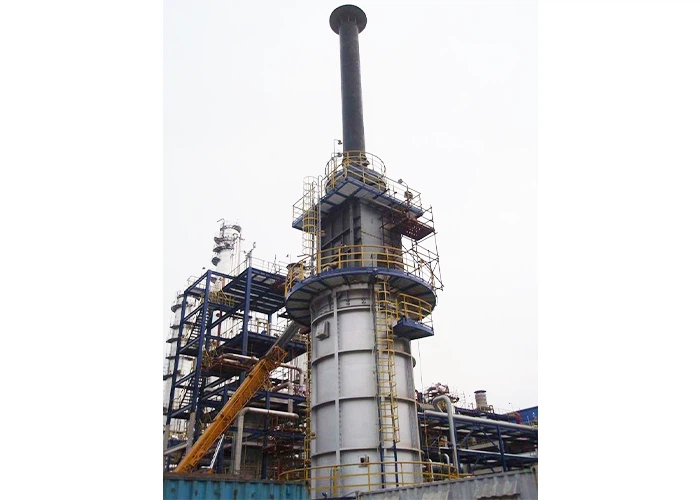
As a supplier of furnaces in the petrochemical industry, we offer a wide range of products that are designed to support higher automation levels. Our Vertical Cylindrical Fired Heater is equipped with advanced sensors and control systems that enable precise temperature and pressure control. It can be easily integrated with PLCs and SCADA systems for seamless automation.
Our Refinery Process Heater is another product that is suitable for high - level automation. It features a modular design and advanced combustion technology, which can be optimized through automation to improve efficiency and reduce emissions.
We also offer Petrochemical Furnaces that are specifically designed for the petrochemical industry. These furnaces are built with the latest automation technologies to ensure reliable and efficient operation.
Conclusion
Achieving a higher automation level for furnaces in the petrochemical industry is a complex but rewarding process. By implementing advanced technologies such as sensors, PLCs, SCADA systems, and AI/ML algorithms, petrochemical plants can improve efficiency, enhance safety, and increase productivity.
As a leading supplier of furnaces in the petrochemical industry, we are committed to providing high - quality products and solutions that support higher automation levels. If you are interested in learning more about our furnace products or discussing your automation needs, please contact us for a procurement consultation.
References
- Smith, J. (2020). Automation in the Petrochemical Industry. Industrial Automation Journal.
- Johnson, A. (2019). Advanced Sensors for Furnace Automation. Sensor Technology Review.
- Brown, C. (2021). AI and Machine Learning in Petrochemical Furnace Control. Petrochemical Engineering Magazine.


